Flooring Installation
Hardwood, tile, luxury vinyl plank, laminate, and carpet installation by vetted local flooring contractors. Transform every room of your home. Free quotes in 60 seconds.
Find My ProNew flooring transforms the look, feel, and value of any home. It's one of the most visible upgrades you can make, and the right choice impacts comfort, durability, and resale value. Whether you're replacing worn carpet, upgrading to hardwood, installing waterproof luxury vinyl plank, or laying tile in a kitchen or bath, professional flooring installation ensures a level subfloor, proper underlayment, and a finish that lasts decades.
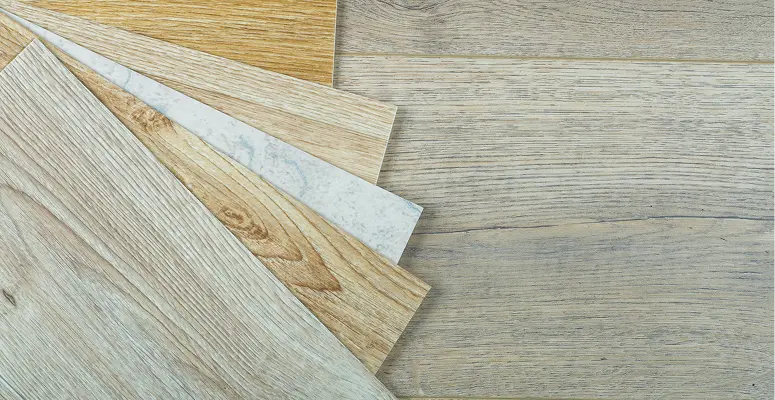
In 2026, luxury vinyl plank (LVP) and engineered hardwood dominate the market for their balance of durability, looks, and value. Tile remains the gold standard for wet areas. Carpet has moved to bedrooms and family rooms where comfort matters most. The right flooring contractor matches material to room, removes existing flooring properly, prepares the subfloor for a lasting install, and finishes transitions cleanly between rooms.
Services
From single-room refresh to whole-home flooring projects, find the right scope and material for your home.
Replace or install flooring in one room, a kitchen, bathroom, bedroom, or living area. Most installs finish in 1–2 days. Best when refreshing a single space. Range $800–$3,000.
Coordinate flooring across multiple connected rooms for a cohesive look. Common for main-floor renovations and open-concept homes. Includes transitions and trim. Range $3,000–$10,000.
A complete flooring replacement project covering every room. Often paired with other renovation work for a unified result. Plan 3–7 days of active work. Range $10,000–$30,000.
Heated floors, reclaimed wood, custom tile patterns, herringbone, and specialty installations. Premium results for showcase spaces. Range $2,000–$8,000 per room.
Materials Guide
No single floor is right for every room. Match material to the room's traffic, moisture, subfloor, and resale priorities. Here's how the six dominant options compare in 2026.
Oak, maple, hickory, and walkin planks 3–7 inches wide. Refinishable 4–6 times over a lifetime. Best for living rooms, dining rooms, bedrooms, and main hallways above grade. Avoid in bathrooms, basements, or kitchens with frequent spills. Average lifespan: 60+ years. Cost: $8–$20 per sq ft installed.
A hardwood veneer over a plywood or HDF core. More dimensionally stable than solid wood, so it works over concrete slabs, in basements, and over radiant heat. Refinishable 1–3 times depending on veneer thickness. Best for whole-home installs in humid or coastal climates. Cost: $6–$14 per sq ft installed.
100% waterproof, scratch-resistant, softer underfoot than tile, and the fastest-growing flooring category in the U.S. Best for kitchens, bathrooms, basements, mudrooms, and high-traffic family homes. Floating click-lock installs go fast over almost any flat subfloor. Cost: $3–$5 per sq ft installed.
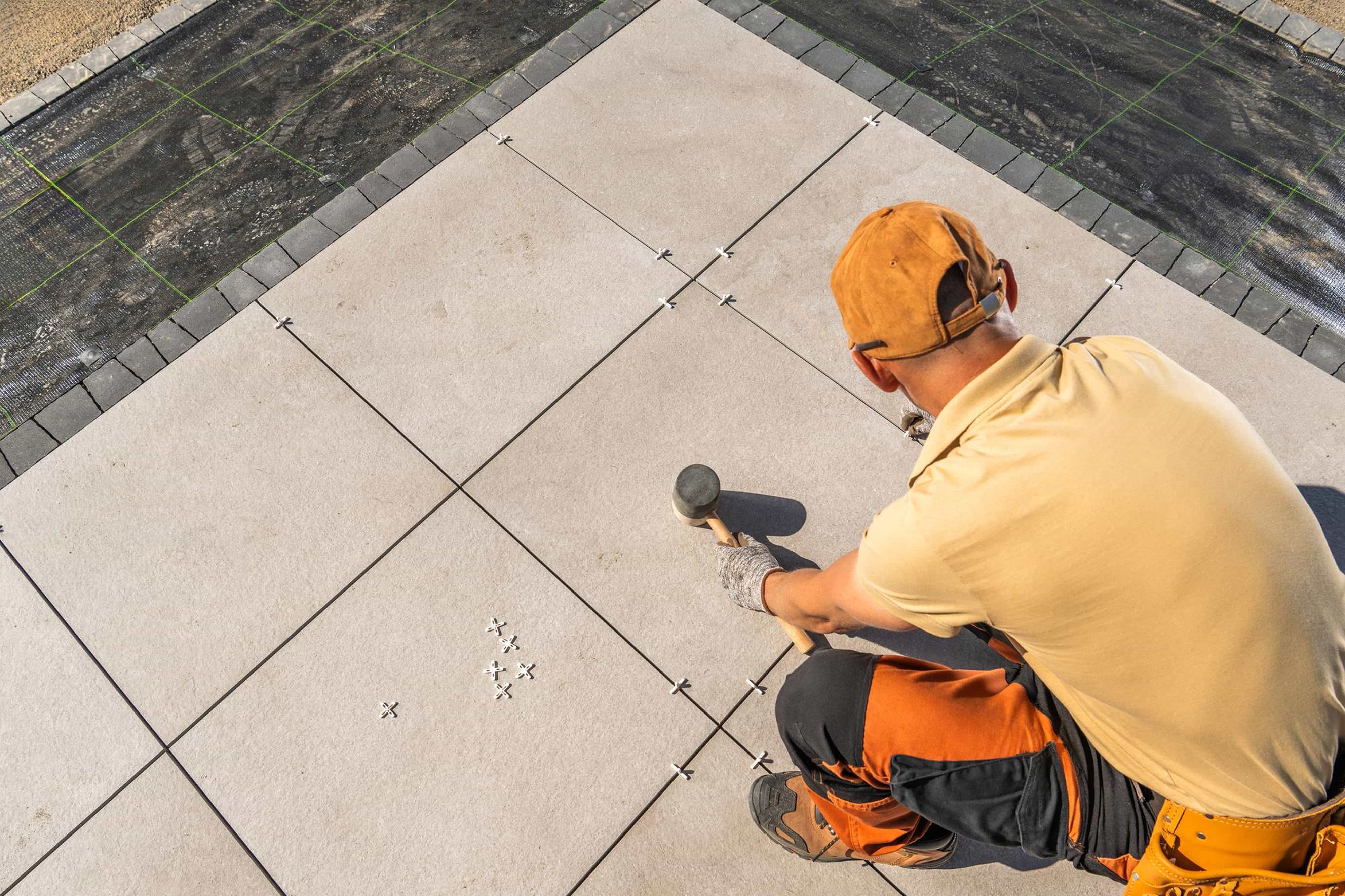
Effectively indestructible and 100% waterproof. Best for bathrooms, mudrooms, entryways, and kitchens where moisture and abrasion are constant. Cold and hard underfoot; consider radiant heat underneath. Grout requires re-sealing every 1–2 years. Cost: $8–$15 per sq ft installed for standard tile; $15–$25 for large-format or natural stone.
A printed image of wood or stone bonded to a fiberboard core, finished with a clear wear layer. Cheap, fast to install, and surprisingly scratch-resistant. Older laminates were not water-resistant; modern "water-resistant" laminates hold up against spills but should still avoid bathrooms and basements. Cost: $3–$5 per sq ft installed.
Now reserved for bedrooms, finished basements, and family rooms where comfort matters. Nylon is the most durable fiber; polyester is softer and stain-resistant. Wool is premium but expensive. Always upgrade to 8–pound pad minimum; underpad is the single biggest determinant of carpet feel and lifespan. Cost: $5–$10 per sq ft installed.
Cost & Timeline
Flooring cost depends on material, square footage, room layout, and whether subfloor work is needed.
Laminate & LVP
$3–$5
per sq ft installed
Carpet
$5–$10
per sq ft installed
Tile
$8–$15
per sq ft installed
Hardwood
$8–$20
per sq ft installed
Cost ranges based on 2026 industry data. Project costs vary by region, material grade, and existing subfloor condition.
Prices shown are estimates for planning purposes only and do not represent a final price. Your actual cost depends on project scope, materials, and your local market.
FAQ
Luxury vinyl plank (LVP) and porcelain tile are the most durable options for high-traffic homes with kids and pets. LVP is 100% waterproof, scratch-resistant, and softer underfoot than tile. Porcelain tile is virtually indestructible but harder underfoot. Engineered hardwood is also a strong choice and adds resale value, though it's less scratch-resistant than LVP.
A single room typically takes 1–2 days. Multi-room projects run 3–5 days. Whole-home flooring takes 5–10 days depending on size. Tile takes longer (mortar and grout curing), while LVP and laminate are the fastest. Subfloor repair, removal of existing flooring, and acclimation of hardwood add 1–3 extra days.
Laminate and floating LVP are reasonable DIY projects in a single room. Hardwood, tile, and large or oddly-shaped spaces should go to a pro. Subfloor leveling, transitions, and trim work require experience. Professional installs come with workmanship warranties and protect your material warranty, which many manufacturers void on DIY installs.
Usually yes. Carpet and old vinyl must be removed. Hardwood can sometimes be installed over existing flooring (subject to subfloor condition and height clearance). Tile typically requires removal and re-leveling. Your installer will assess and quote removal cost if needed, typically $1–$3 per sq ft.
Yes. New flooring is one of the highest-ROI home improvements. Hardwood floors return 70–80% of cost at resale. LVP and tile return 50–60%. Beyond ROI, new flooring makes homes sell faster and at higher offers, since buyers see worn carpet or scratched floors as immediate replacement costs.
What to expect
From quote to walking on your new floors, a typical single-room install takes 7–14 days. Multi-room and whole-home projects run 2–4 weeks.
An installer measures the area in square feet, inspects the subfloor for level, moisture, and damage, and helps you pick a material that fits your budget, traffic patterns, and aesthetic. Bring paint chips, fabric samples, and cabinet door samples to the visit so colors are matched in person, not on a screen.
A line-itemed quote covers material, underlayment, transitions, removal of existing flooring, subfloor repair, and disposal. Always add 8–10% for cutting waste and 5% for replacement boards if a section is damaged later. Stock materials ship in 3–7 days; special orders take 2–6 weeks.
Hardwood and engineered flooring must acclimate in the room they'll be installed in for 3–7 days to match local humidity. Installers level the subfloor with patching compound, repair any soft spots, and lay vapor barrier or underlayment. Skipping acclimation is the #1 cause of buckled hardwood floors.
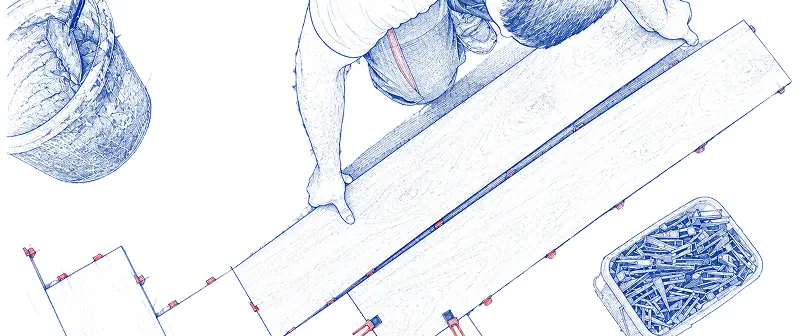
Single rooms install in 1–2 days; multi-room jobs take 3–7 days. Crews protect baseboards and walls, lay flooring in straight reference lines, cut transitions clean at doorways, and reinstall quarter-round trim. Most homes can stay occupied during install; expect 4–6 hours of noise per day and no use of the active room.
Inspect every transition, baseboard, and seam in good daylight. Reputable installers offer 1–3 year workmanship warranties stacked on top of the manufacturer's material warranty (typically 25–50 years on residential wear layers). Ask for extra boards or tiles in case of future repair; matching dye lots are nearly impossible to find later.
Resources