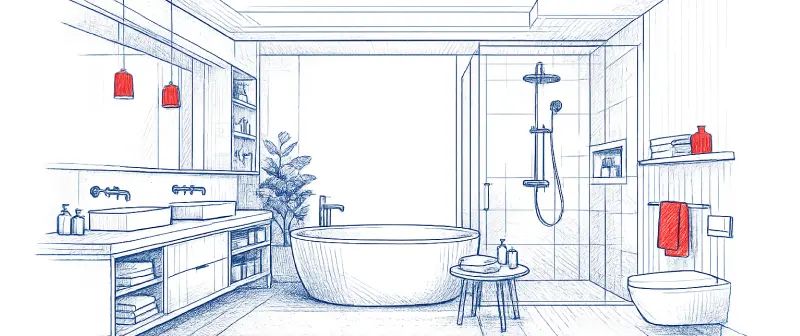
Spa-style remodeled bathroom with a freestanding tub.

Walk-in Tubs

Your guide to walk-in tub installations.

Walk-in tubs and accessible bathing solutions for seniors and homeowners with mobility needs. Safe, low-threshold entry, built-in seats, hydrotherapy options. Free local quotes.

Why Walk-in Tubs Matter

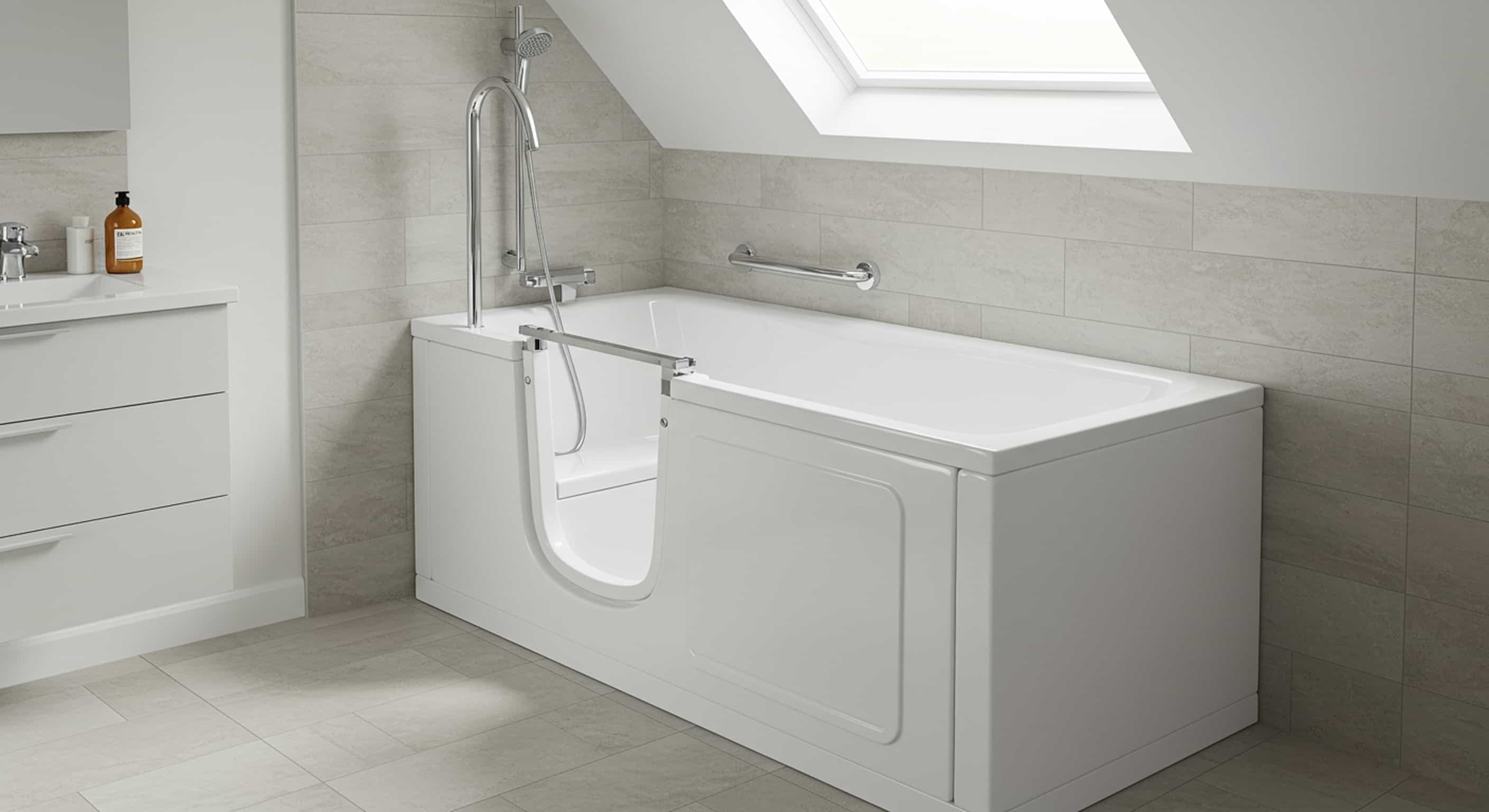
For seniors and homeowners with limited mobility, the bathroom is the #1 fall risk in the home. Walk-in tubs solve that. A low-threshold door, built-in seat, and grab bars make daily bathing safer, easier, and more independent. For many homeowners, a walk-in tub is the single upgrade that lets them age in place rather than move to assisted living.
Modern walk-in tubs go well beyond safety. Hydrotherapy jets relieve arthritis pain. Air bubble systems improve circulation. Chromotherapy lighting and aromatherapy diffusers turn bath time into a therapeutic ritual. The right walk-in tub or accessibility remodel is custom-fit to your space, your budget, and the mobility needs of the person using it. Most installs finish in 2–3 days, often using your existing
tub footprint.

What's Included

Walk-in tub installation
Hydrotherapy and air jet upgrades
Tub-to-shower conversions
Grab bars and safety rail installations
ADA-compliant fixtures and vanities
Senior-friendly bathroom remodels
Aging-in-place consultations

Services

Walk-in Tub & Accessibility Service Types

From a single walk-in tub swap to a full accessibility remodel, match the right solution to your needs.
Standard Walk-in Tub
Soaking walk-in tub with low threshold, built-in seat, and grab bars. Replaces a standard bathtub in 2–3 days. Best for seniors who want safe daily bathing. Range $3,000–$8,000 installed.
Premium Walk-in Tub
Walk-in tub with hydrotherapy jets, air bubbles, chromotherapy lighting, and quick-drain technology. Therapeutic-grade comfort for arthritis and circulation. Range $8,000–$15,000 installed.
Full Accessibility Remodel
Whole-bathroom remodel for aging in place: walk-in tub or roll-in shower, ADA vanity, grab bars, non-slip flooring, comfort-height toilet. Range $10,000–$25,000.

Cost & Timeline

How Much Does a Walk-in Tub Cost in 2026?

Walk-in tub cost depends on features, size, hydrotherapy upgrades, and installation complexity.
$3K–$8K

Standard Tub

soaker installed

+$2K–$5K

Hydrotherapy

jets & air bubble upgrade

$3.5K–$10K

Tub Conversion

tub-to-shower

$10K–$25K

Full Remodel

accessibility-focused

Cost ranges based on 2026 industry data. Many states and Medicaid waiver programs offer rebates or financing for accessibility upgrades.
Prices shown are estimates for planning purposes only and do not represent a final price. Your actual cost depends on project scope, materials, and your local market.

What to expect

The walk-in tub installation process

Most walk-in tub installs are complete within 3–7 business days of signing the contract. Here's what happens at each stage.
1

In-home assessment

A specialist measures your existing bathtub footprint, water heater capacity, drain location, and electrical access. They photograph the bathroom, ask about the user's mobility, weight, height, and bathing preferences, and recommend 2–3 tub models that fit your space and budget. The visit is free and takes 45–60 minutes.

2

Quote & model selection

Within 1–3 days you receive a written quote covering tub model, hydrotherapy options, demo/disposal of the existing tub, plumbing upgrades, drywall and tile repair, and disposal fees. Ask for line-item pricing so you can decline upgrades you don't need. Beware of high-pressure same-day discount tactics; reputable installers don't expire quotes overnight.

3

Permits & scheduling

Most jurisdictions require a plumbing permit for tub replacement. Your installer pulls the permit, schedules a city inspection, and orders the tub. Stock models ship in 1–2 weeks; custom colors and configurations take 3–6 weeks. You'll get a confirmed install date once the unit arrives at the warehouse.

4

Demolition & install day

A two- or three-person crew protects your floors and walls, removes the existing tub and surround in 1–2 hours, upgrades plumbing as needed, sets the new tub level, hooks up motors and jets, tests for leaks under load, and finishes drywall, tile, or surround panels. Total work time is 6–10 hours, almost always finished in a single day.

5

Inspection, training & warranty

The city inspector signs off on plumbing within a week of install. The installer trains the user on door seal, jets, drain, and emergency controls, and provides written warranty documentation. Reputable companies offer 24-hour service response and an optional annual safety check for $99–$199.

Buyer's Guide

How to choose your walk-in tub

A walk-in tub is a 15–20 year decision. Six features separate a tub that genuinely improves daily life from one that becomes a frustration after the first month.
Door direction
Inward-swinging doors take less bathroom floor space but require you to step around the door inside the tub. Outward-swinging doors give an easier entry but need 26–30 inches of clear floor space in front of the tub. For wheelchair users, only outward-swing tubs allow a safe lateral transfer from a chair.
Seat height & depth
A standard 17-inch seat fits most users; a 19-inch ADA-compliant seat is essential for taller users or anyone with knee surgery. Tub water depth matters too: shallow tubs (28") submerge to the shoulders; deep soakers (37") fully cover the upper body for hydrotherapy. Test-sit before buying when possible.
Hydrotherapy options
Water jets target sore muscles and joints, helpful for arthritis. Air bubble jets are gentler, ideal for sensitive skin or diabetic users. Combination tubs offer both. Chromotherapy adds underwater LED lighting in calming colors; aromatherapy uses an in-line diffuser. Each upgrade adds $500–$2,000 to base tub cost.
Fast-drain technology
Because you must remain seated until the tub drains, fast-drain systems are the single biggest comfort upgrade. Standard drain: 6–8 minutes. Quick-drain: 90–120 seconds. Quick-drain models cost $500–1,000 more but dramatically reduce time spent waiting in a cold, empty tub.
Safety features
Non-slip textured floor (not just an applied mat), four integrated grab bars (not optional add-ons), anti-scald thermostatic mixing valve, low door threshold (3–7" vs 14–18" on a standard tub), handheld shower wand at seat height, and an easy-reach emergency drain release lever in case water won't drain through the main valve.
Warranty & materials
Look for lifetime warranty on the door seal (the #1 failure point), 10+ years on the tub shell, and 5+ years on motors and pumps. Acrylic tubs are lighter and warmer to the touch than fiberglass. Gel-coat fiberglass is more durable but feels colder. Avoid sub-$3,000 imported models without a documented U.S. parts supply chain.

Walk-in Tub FAQs

Are walk-in tubs covered by Medicare?
How long does it take to fill and drain a walk-in tub?
Will a walk-in tub fit in my existing bathroom?
What are the main safety features?
How long does installation take?

Built for homeowners

Ready for a safer bathroom?

Get matched with vetted local walk-in tub specialists. Free quotes in 60 seconds. No obligation.